HCl Costs: Existing and Industry Analysis
HCl Costs: Existing and Industry Analysis
Blog Article
The HCl cost landscape is now seeing notable fluctuation resulting from a intricate combination of influences. International distribution network disruptions, growing component prices, particularly related to natural gas – a essential feedstock – are primarily responsible for the upward pressure. Consumption remains stable across various sectors, such as steel production, chemical processing, and water treatment. Local differences in costs continue due to transportation costs and localized market dynamics. Experts forecast ongoing cost volatility in the short term while long-term stability is contingent upon mitigating supply chain constraints and world economic conditions.
Muriatic Acid Price Per Ton : A Detailed Guide
Understanding the prevailing rate of muriatic acid per ton is vital for businesses that utilize it. Numerous elements impact this cost , including precursor expenses , processing expenses , delivery costs, and current market conditions . Usually , the price can fluctuate significantly, from approximately $low_price_range to $high_price_range per ton , hinging on concentration, region, and provider. The guide will explore such influences in more depth , offering insight into predicting future hydrochloric acid pricing trends .
Hydrochloric Acid Bulk Price: Factors Influencing Costs
The recent cost of large-scale hydrochloric muriatic acid is considerably affected by a range of factors . Input supply , particularly sodium chloride website , plays a major function, as it’s the primary feedstock for its manufacture . Energy costs , vital for the electrolysis procedure , directly influence HCl costs . Shipping costs, which rely on fuel rates and distribution system capacity , also add to the overall expense . Finally, sales request from various industries like steel processing and edible treatment can create rate changes.
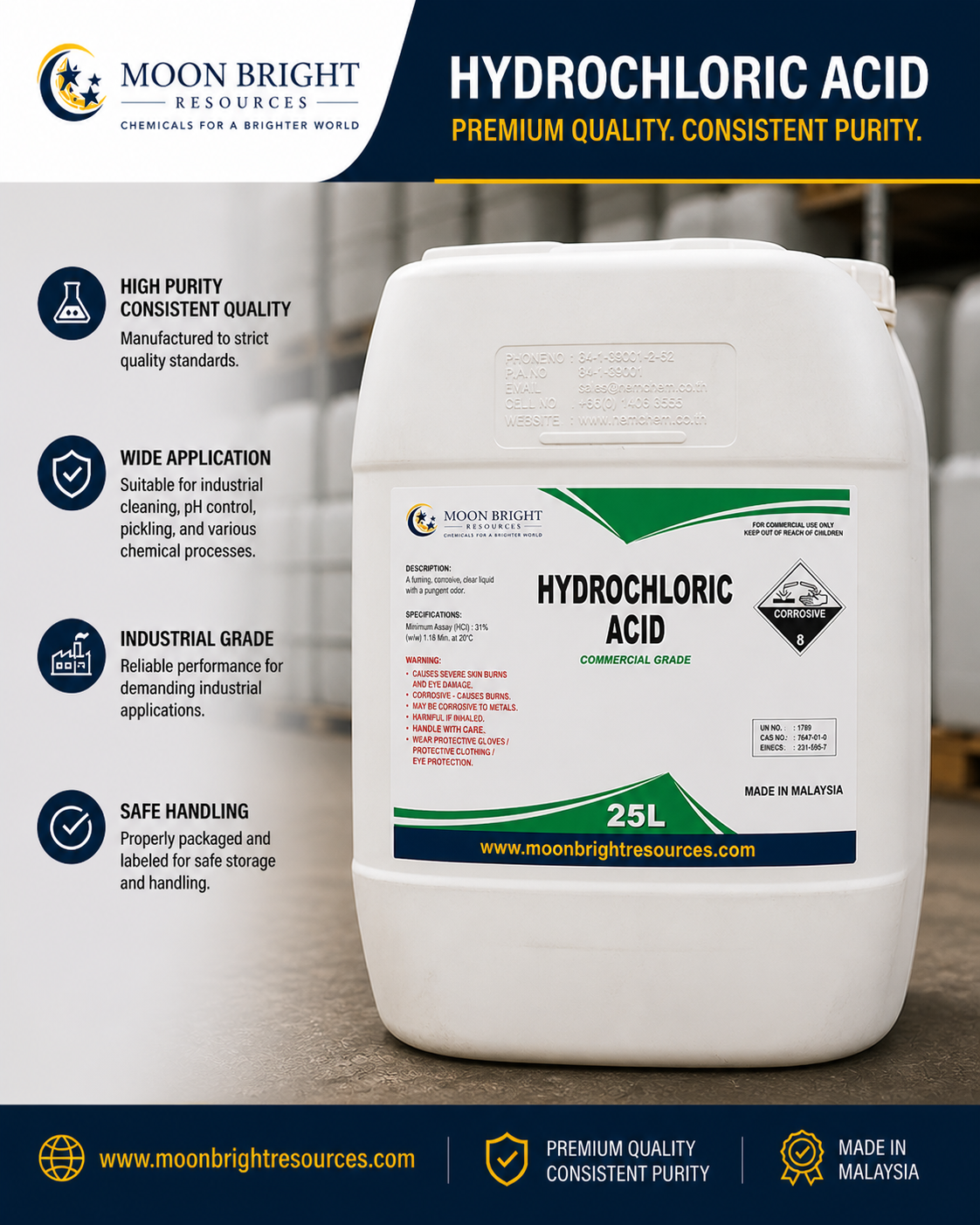
Here's a summary of influencing factors:
- Component Cost
- Power Expenses
- Transportation Charges
- Market Demand
Understanding Hydrochloric Acid Bulk Pricing Strategies
Navigating the challenging landscape of hydrochloric HCl bulk pricing can be a keen understanding of several elements. The price of large-volume hydrochloric acquisitions isn't merely a single number; it changes based on supply, usage, shipping costs, and grade specifications. Usually, suppliers offer graduated pricing structures, whereby greater quantities unlock lower unit prices. Moreover, long-term agreements frequently secure improved rates compared to spot purchases. Consider also the impact of currency rates and any applicable taxes when evaluating quotes from different suppliers.
Here’s a quick overview at key considerations:
- Volume Reductions: Large purchase sizes typically qualify for sizeable price decreases.
- Contract Deals: Multi-year contracts generally provide more price stability.
- Transportation Expenses: Delivery rates may substantially change the overall cost.
- Purity Specifications: Higher quality hydrochloric muriatic acid commands a higher price.
Where For Buy Muriatic Acid Bulk : Trusted Vendors & Prices
Securing muriatic acid bulk requires thorough assessment of suppliers . Many manufacturing providers offer this chemical, but selecting a trustworthy supplier is essential . Common choices include direct chemical suppliers , custom chemical firms , and occasionally direct deals. Costs fluctuate significantly based on amount purchased , purity , transportation area, and market pricing. Anticipate costs to fall from approximately $0.50 to $2.00 a liter for standard quality , with substantial purchases entitling for size savings. Remember to ask for bids from various vendors to evaluate pricing and confirm competitive conditions .
HCl Price Fluctuations: Why Are Affecting the Market ?
Recent changes in HCl pricing have spurred significant concern across various sectors . Several factors are currently fueling these variations . Input costs, particularly associated with chlorine gas and hydrogen , have seen substantial increases , immediately impacting HCl manufacturing expenditures. Furthermore, logistical interruptions , arising from international events and regional constraints , are exacerbating the situation . Finally, fluctuations in demand from key employing sectors like wastewater management and chemistry production play a critical function in shaping the overall industry environment .
- Raw Material rates
- Logistical disruptions
- Requirement from consuming sectors